All Recipes or Posts by Yair weil

Show Post

Ultimate Guide to Sushi Cutting Patterns

Ultimate Guide to Sushi Cutting Patterns

Sushi cutting patterns are about precision, artistry, and the right tools. The way you slice sushi doesn’t just affect its appearance but also its texture and taste. Whether you’re preparing simple rolls or aiming for complex designs, mastering these techniques can elevate your sushi game.

Key Takeaways:

  • Precision is crucial: Clean cuts preserve texture and visual appeal.
  • Essential tools: Use sharp knives like the Yanagiba, Usuba, and Deba for specific tasks.
  • Techniques matter: Straight cuts, diagonal cuts, and advanced methods like Usuzukuri create stunning results.
  • Ingredient placement: Strategic arrangement ensures beautiful patterns in every slice.
  • Knife care: Keep blades sharp, clean, and properly stored to maintain performance.

With practice and the right equipment, you can create sushi that looks as good as it tastes. Start with basic techniques and gradually explore advanced methods to hone your skills.

Cutting Nori in Patterns – Sushi Cooking Ideas #2

Tools You Need for Precise Sushi Cutting

The right tools can elevate sushi preparation into a true art form. Sushi knives and equipment are crafted with precision, blending tradition and functionality to meet the unique demands of sushi-making.

Key Knives for Sushi Cutting

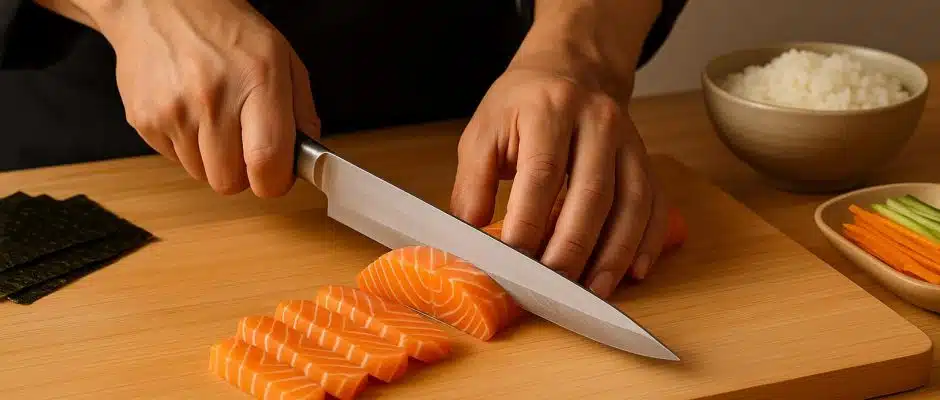
The Yanagiba is the go-to knife for cutting sushi with precision. Its long, slender blade is perfect for slicing sashimi and sushi rolls in a single, seamless motion. Thanks to its single-bevel edge and razor-sharp design, it minimizes damage to delicate fish, preserving both its texture and visual appeal. The extended blade ensures each cut is smooth and clean.

For working with vegetables, the Usuba is indispensable. Its flat, thin blade is ideal for intricate cuts and garnishes. Whether you’re performing katsuramuki (thinly peeling vegetables) or creating julienne strips for decoration, this knife delivers consistent precision every time.

The Deba, on the other hand, is designed for heavier tasks. With its thick, sturdy blade, it’s perfect for filleting whole fish and removing bones. This knife is often used to break down sushi-grade fish before switching to the Yanagiba for the final, delicate slices. Its weight and stability provide the control needed to handle fish without damaging the flesh.

These three knives form the backbone of sushi preparation, each serving a specific role to ensure flawless results.

Additional Tools for Perfect Cuts

A good cutting board is just as important as the knives. Wooden boards are highly recommended because they are gentle on knife edges and provide the stability needed for precise slicing. High-quality plastic boards can also work, but avoid hard surfaces like glass or ceramic, as they can dull your blades quickly.

Keeping your blade clean during use is another key step. A damp towel is essential for wiping the blade between cuts, removing any rice grains or fish oils that might stick. This simple habit ensures each slice is clean and precise, preserving the integrity of your sushi.

To maintain your knives’ sharpness, a quality whetstone is a must. Regular sharpening keeps your blades performing at their best, which is crucial for intricate cutting techniques. Professional sushi chefs often sharpen their knives frequently to achieve the precision required for their craft.

For those aiming for uniformity in their sushi pieces, slicing guides or rulers can be helpful. These tools are especially useful when creating complex patterns that demand consistent sizes and shapes.

Why Sharp Blades Matter

A sharp knife is the cornerstone of successful sushi cutting. It glides effortlessly through ingredients, avoiding the crushing of rice, tearing of nori, or shredding of fish. This precision is especially critical for intricate patterns, where a dull blade can leave jagged edges that ruin the visual appeal of your sushi.

Using a dull knife not only compromises the look of your sushi but also requires more force, which can compress the roll and distort its internal design. It also increases the risk of accidents. In contrast, a sharp blade offers control and precision with minimal effort, making it easier to achieve the delicate cuts sushi demands.

Maintaining sharp knives goes beyond regular sharpening. Cleaning and storing them properly is just as important. Protective sheaths or magnetic strips can prevent edge damage, while immediate cleaning after use helps avoid residue buildup that could affect performance.

For those starting out, Make My Sushi (https://makemysushi.com) provides sushi-making kits that include essential knives and detailed maintenance guides, making it easier to master the art of sushi cutting at home.

Techniques for Creating Detailed Sushi Patterns

Creating intricate sushi patterns starts with mastering both basic and advanced cutting techniques. The secret lies in precise knife control and understanding how each cut influences the final presentation.

Basic Cutting Methods

Straight cuts are the foundation of all sushi slicing techniques. To execute this, hold your knife perpendicular to the cutting board and make a smooth, downward motion. This technique is ideal for standard maki rolls, ensuring clean, even slices that clearly showcase the roll’s interior.

Diagonal cuts bring a touch of flair by creating oval-shaped pieces instead of perfect circles. By slicing at a 45-degree angle, you expose more of the roll’s interior, making this method perfect for thicker rolls like futomaki. The result is an elegant and visually striking presentation.

Pull-cuts involve drawing the knife toward you with steady, gentle pressure. Start with the tip of the blade touching the roll, then pull through in one smooth motion. This technique is especially useful for rolls with delicate ingredients, like soft fish or tender vegetables, as it prevents crushing and ensures clean edges.

For beginners, practicing these basic cuts on softer vegetables like cucumbers is a great way to develop steady knife control and precision before moving on to more challenging ingredients. Once you’ve mastered these, you can explore advanced techniques to create even more intricate patterns.

Advanced Techniques for Detailed Patterns

Advanced cutting techniques take sushi presentation to a whole new level, transforming simple rolls into works of art.

Hirazukuri produces flat slices about 0.4 inches thick and 3 inches long, making it the go-to cut for robust fish like tuna and salmon. To achieve this, position your knife at a 90-degree angle to the fish and slice straight down with confidence.

Sogizukuri creates wider, more elegant slices by cutting at a 45-degree angle. This technique works beautifully with white-meat fish like snapper, as the angled cut enhances the fish’s delicate appearance by exposing more surface area.

Usuzukuri demands exceptional skill to create paper-thin slices, ranging from 0.04 to 0.08 inches thick. This technique is often used for white fish, producing translucent pieces that practically melt in your mouth. Consistent pressure and a smooth slicing motion are key to mastering this method.

Katsuramuki involves peeling vegetables into continuous, paper-thin sheets. Hold the vegetable firmly and rotate it against the blade to create these delicate sheets, which can be used for wrapping or decorative plating.

Cutting TechniqueDescriptionBest For
HirazukuriFlat slices, 0.4 inches thick, 3 inches longRobust fish like tuna and salmon
Sogizukuri45-degree angled slicesWhite-meat fish like snapper
UsuzukuriPaper-thin slices (0.04–0.08 inches)Translucent cuts for white fish
KatsuramukiRotary peeling for thin sheetsWrapping or decorative plating

"Kazarigiri is not just about creating beautiful food, but it’s also about respecting the natural beauty of the ingredients and presenting them in a way that elevates their flavor and texture." – Chef Hiroki Sakai

How Ingredient Placement Affects Patterns

The arrangement of ingredients within a sushi roll plays a huge role in the final pattern revealed by your cuts. Strategic placement of colorful vegetables, fish, and other components creates a visual story with each slice.

Think of the roll as a canvas where every ingredient adds to the overall design. Placing contrasting colors – like bright orange carrots next to deep green cucumber or vibrant red tuna paired with white rice – creates bold and eye-catching patterns. Careful planning also ensures a balance of flavors, textures, and colors.

For consistent patterns, symmetrical placement works best. Arrange ingredients at regular intervals around the roll’s circumference so each slice reveals a uniform design, perfect for formal presentations. If you’re looking for something more dynamic, try asymmetrical placement. Clustering ingredients on one side or arranging them in a spiral can create a unique and artistic effect.

The texture and thickness of ingredients also matter. Thin, flexible items like cucumber or avocado can be shaped and positioned with precision, while firmer ingredients like cooked shrimp or tempura provide structure and bold focal points. By considering the natural characteristics of each ingredient, you can better predict and control the final visual outcome.

Carefully intertwining components not only creates a stunning presentation but also enhances the dining experience, showcasing the quality of the ingredients and the thoughtfulness behind their preparation.

sbb-itb-7b591fe

Step-by-Step Guide to Cutting and Revealing Patterns

Creating intricate sushi patterns requires a mix of preparation and precision. The final result – whether it wows or disappoints – often depends on following the right steps in the right order.

Preparing the Roll for Cutting

Start by cooling the roll for about 15–20 minutes. This helps firm up the rice and keeps the ingredients stable.

Next, loosely wrap the roll in plastic wrap or a damp paper towel (if using nori) and place it seam-side down on a clean, spacious cutting board. Before you begin slicing, take a moment to visually inspect the roll. Look for spots where the ingredients are evenly distributed, avoiding areas that seem too sparse or overly packed. This ensures every slice showcases the desired design.

These steps are essential for setting the roll up for precise cutting and maintaining its pattern.

Techniques for Slicing Without Distortion

Once the roll is prepped, the key to cutting cleanly lies in your technique.

  • Use one smooth, decisive motion for each cut. Avoid sawing back and forth, as this can ruin the roll’s shape. Position your knife where you want to cut, and slice in a fluid motion that takes about 2–3 seconds.
  • To ensure uniform slices, lightly mark the roll before cutting. Use the tip of your knife to score the surface at even intervals. For a typical maki roll, aim for slices that are about 0.75–1 inch thick – especially important if you’re preparing a presentation platter.
  • Keep your knife vertical and start at the top of the roll, slicing down in one steady motion. Apply only minimal pressure; a sharp knife should do most of the work without compressing the roll.

Cleaning the Knife Between Cuts

A clean knife is crucial for maintaining precision and preventing flavors from mixing.

Rinse the blade under warm water after each cut, then dry it immediately with a lint-free towel. If any residue builds up, quickly rinse and dry again. This is especially important when switching between rolls with different fillings, as it prevents flavor transfer and keeps cuts clean.

Once you’re finished, wash the knife with mild dish soap and warm water. Rinse thoroughly and dry completely before storing it. Keeping your knife clean not only ensures better performance but also helps maintain its sharpness and accuracy over time.

Troubleshooting and Best Practices

Even experienced sushi chefs encounter challenges when slicing rolls. Using the right techniques can help you achieve smoother, more precise cuts.

Common Cutting Problems and Solutions

Ragged edges are often caused by a dull knife or applying too much pressure. A dull blade crushes the rice instead of slicing cleanly, leaving the roll looking uneven. To prevent this, sharpen your knife regularly and let the blade glide effortlessly through the roll.

Compressed rolls happen when you press down too hard while cutting. This can flatten the roll and disrupt the placement of the ingredients. Use a gentle, steady slicing motion instead. If rolls are still compressing, they may be overfilled or not sealed tightly enough before slicing.

Rice sticking to the blade can make cuts messy and pull grains out of the roll. To avoid this, dip your knife in water before slicing and wipe it with a damp towel periodically.

Uneven slice thickness stems from inconsistent technique or rushing. Focus on making each cut in one smooth, fluid motion to ensure uniform slices that look polished.

Ingredients falling out during slicing usually means the roll is either overfilled or not sealed properly. Keep your filling amounts manageable and ensure the roll is tightly wrapped to maintain its structure.

Tackling these issues is key to achieving clean, precise cuts and ensuring safety while working.

Safety Tips for Sushi Cutting

Beyond troubleshooting, safety should always be a priority. Keeping your tools sharp, as mentioned earlier, is essential for avoiding accidents.

Sushi Chef Sushi Rik stresses the importance of immediate knife care:

"As soon as I finish cutting, I rinse my knife under warm water. Waiting is not an option because food residue can corrode the blade."

Proper knife storage is equally important. Avoid tossing knives into a drawer where they can get damaged or cause injuries. Instead, use a knife block, magnetic strip, or knife roll to keep blades protected and accessible.

Choose the right cutting surface. Wooden or plastic cutting boards are ideal, providing stability without wearing down the knife’s edge. Avoid hard materials like glass or marble, which can dull the blade and increase the risk of slipping.

Pay attention to hand positioning. Use a claw grip with your non-cutting hand, keeping your fingertips tucked under to guide the roll safely while cutting.

After slicing, rinse the blade right away, dry it thoroughly with a soft cloth, and store it properly. As Sushi Rik advises:

"Never soak your knife in water, even for a few minutes. Even stainless steel cannot withstand prolonged contact with water."

Conclusion and Key Takeaways

Creating stunning sushi patterns relies on sharp tools, precise techniques, and careful preparation. A razor-sharp knife is essential – it glides effortlessly through sushi rolls, preserving the intricate designs within.

Take the Sogizukuri technique, for example. This slanted slicing method not only increases the surface area of each piece but also highlights the internal patterns in a more visually appealing way. Pairing this method with cuts made against the grain enhances both the texture and the presentation of your sushi. When combined with intentional ingredient placement, the results can be truly eye-catching.

As discussed earlier, arranging ingredients thoughtfully is key. Symmetry in the placement of fish and vegetables ensures that each slice reveals a striking design. A classic example is the chrysanthemum pattern, where ingredients are centered to create a flower-like appearance in every piece.

For clean and precise cuts, use a single, fluid motion – avoid sawing – and keep your blade clean between slices to maintain the clarity of each pattern.

Thanks to the growing popularity of making sushi at home, these techniques are easier to learn than ever. Resources like Make My Sushi provide step-by-step guides that simplify even complex patterns, helping you achieve professional-quality results in your own kitchen.

Start with the basics before moving on to more intricate designs. With practice, you’ll build muscle memory and gain a deeper understanding of how your knife interacts with the ingredients.

With the right tools, proper techniques, and consistent practice, you can create sushi patterns that look as impressive as those served in high-end restaurants. Dedication and attention to detail will help you consistently craft beautiful, professional-looking sushi.

FAQs

What knives are essential for sushi cutting, and how are they used differently?

The Yanagiba and Deba knives are must-haves for sushi-making, each crafted for specific tasks. The Yanagiba, with its long and slender blade, is perfect for slicing raw fish and sashimi. Its design allows for precise, smooth cuts in a single forward motion, preserving the fish’s delicate texture.

In contrast, the Deba is a robust, heavier knife made for tougher jobs. It’s ideal for filleting fish and cutting through bones or cartilage with ease. While the Yanagiba focuses on precision and finesse, the Deba is all about strength and durability. Together, they form the backbone of tools needed to prepare exceptional sushi and sashimi at home.

What’s the best way to slice sushi rolls without ruining their shape or design?

To keep your sushi rolls neatly intact and preserve their beautiful design, it’s essential to chill the rolls thoroughly before slicing. This helps the ingredients stay firmly together, reducing the chance of them falling apart.

When it’s time to cut, use a sharp knife and lightly dampen the blade with water. This ensures smooth, clean slices. Instead of pressing straight down, use a gentle sawing motion – this reduces pressure on the roll and helps maintain those intricate patterns.

What mistakes should I avoid when cutting sushi rolls with intricate patterns?

When slicing sushi rolls with intricate designs, using a dull knife is a mistake that can completely ruin your efforts. A blunt blade tends to crush the rice and fish, making it impossible to achieve those clean, precise cuts. To avoid this, always ensure your knife is sharp and ready for the task.

Another common oversight is forgetting to wet the knife before each cut. This simple trick keeps the blade from sticking to the rice and fish, preserving the roll’s appearance. Also, be mindful of how much pressure you apply. Pressing too hard or overhandling the roll can distort the design you’ve worked so hard to create. Instead, aim for gentle, steady motions to keep everything looking sharp and intact.
Related posts

Gluten-Free Sushi: Preventing Cross-Contact

Gluten-Free Sushi: Preventing Cross-Contact

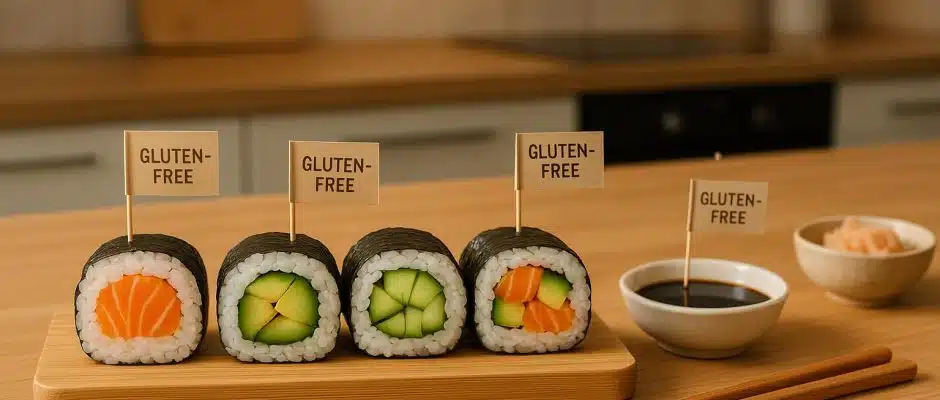
Making sushi gluten-free at home is the best way to ensure safety. While sushi may seem naturally gluten-free, hidden gluten sources – like soy sauce, imitation crab, and certain seasonings – can pose risks. Cross-contact in shared kitchen spaces is another concern, especially in restaurants. Here’s how you can enjoy sushi safely:

  • Key Risks: Soy sauce (contains wheat), imitation crab (wheat-based fillers), and sauces like eel or teriyaki often have gluten. Even sushi rice seasonings and some nori sheets may include gluten.
  • Cross-Contact: Shared knives, cutting boards, and surfaces can transfer gluten.
  • Home Prep Tips: Use tamari instead of soy sauce, real crab instead of imitation, and certified gluten-free products. Clean tools and surfaces thoroughly.
  • Eating Out: Communicate clearly with staff, ask for clean utensils, and bring your own gluten-free sauce.

Summary: Preparing sushi at home gives you full control over ingredients and reduces cross-contact risks. Restaurants can be safe with proper precautions, but homemade sushi remains the most reliable option.

How To Make Sushi Rice and Sushi Gluten Free

Finding Gluten Risks in Sushi Making

Spotting hidden gluten sources and understanding how cross-contact happens are key steps to making gluten-free sushi safely. Even with the best intentions, gluten can sneak in through certain ingredients or kitchen practices. Let’s break down some common culprits.

Ingredients That Contain Gluten

Some sushi ingredients may seem harmless but can hide gluten. For instance, imitation crab often includes wheat-based starches and fillers. Other problematic ingredients include:

  • Soy sauce: Most regular soy sauces contain wheat.
  • Tempura batter: Used for fried sushi toppings or fillings, it’s made with wheat flour.
  • Eel sauce, teriyaki, and ponzu: These sauces often have gluten in their recipes.
  • Sushi rice seasonings: Pre-mixed seasonings sometimes include wheat or barley derivatives.
  • Wasabi and pickled ginger: These can contain wheat-based additives, especially in mass-produced versions.
  • Nori sheets: While rare, some are dusted with flour to prevent sticking.

Even rice vinegar, used to season sushi rice, might contain added wheat or barley. In the U.S., imitation wasabi is common and may rely on wheat starch instead of pure wasabi root. Always check labels to be sure.

How Contamination Happens in the Kitchen

Beyond ingredients, cross-contact in the kitchen is a major concern. Gluten-free foods can pick up gluten from shared tools, surfaces, or improper cleaning practices. Here’s how it happens:

  • Shared tools: Knives, cutting boards, gloves, and rolling mats can transfer gluten if not sanitized after touching gluten-containing foods.
  • Surface contamination: Gluten particles from flour (like during tempura prep) can settle on countertops and nearby equipment.
  • Invisible risks: Gluten contamination can’t be seen or tasted, making it especially tricky to catch.

To minimize these risks, it’s crucial to use separate preparation areas and tools exclusively for gluten-free sushi. Proper cleaning and dedicated equipment can make all the difference in preventing cross-contact.

How to Prevent Contamination at Home

Making gluten-free sushi at home gives you complete control over the ingredients and preparation process. With the right setup and mindful ingredient choices, you can enjoy sushi without stressing over hidden gluten or cross-contact.

Preparing a Clean Sushi Work Area

Start by thoroughly cleaning your workspace. Wipe down countertops and utensils with hot, soapy water, followed by a disinfectant. If you’re using shared tools, sanitize them carefully between uses or, better yet, dedicate specific tools for gluten-free cooking.

For bamboo mats, scrub them with a brush under hot water and let them air dry. To add an extra layer of protection, consider wrapping the mat in plastic wrap. This simple step can help prevent contamination and make cleanup easier.

Keep your hands clean throughout the process, and if you’re using gloves, change them frequently to avoid transferring residue. Once your workspace is ready, it’s time to focus on ingredient swaps to keep your sushi gluten-free.

Gluten-Free Ingredient Alternatives for Sushi

Making smart ingredient swaps is key to safe, gluten-free sushi. Here are a few tips:

  • Soy Sauce Substitute: Use tamari instead of regular soy sauce. It delivers the same flavor but without the gluten.
  • Rice Vinegar: Stick to certified gluten-free brands like Kikkoman rice vinegar, which is widely available in the U.S. Always double-check labels for added gluten-containing ingredients.
  • Crab Meat: Avoid imitation crab, as it typically contains wheat-based fillers. Opt for real crab meat – fresh or frozen – for a safer alternative.
  • Wasabi and Pickled Ginger: Many commercial versions of these contain wheat-based additives. Look for products labeled "gluten-free", or make your own pickled ginger using rice vinegar, sugar, and salt.
  • Nori Sheets: While most nori is naturally gluten-free, some brands dust their sheets with flour to prevent sticking. Choose certified gluten-free nori to be safe.

"Sushi is often gluten-free. It’s usually just a few fillings and soy sauce you’ve got to worry about." – Wendy Stoltz, Gluten-Free Palate

These swaps not only ensure your sushi is gluten-free but also allow you to enjoy it with peace of mind.

Why Homemade Sushi Is a Safer Option

When you make sushi at home, you’re in complete control of the ingredients and preparation methods. Unlike restaurant kitchens, which often use shared equipment and spaces, your home setup minimizes the risk of cross-contact.

Another perk? It’s often more affordable in the long run. While gluten-free specialty items like tamari or certified nori may seem pricey initially, they can make dozens of sushi rolls – far more cost-effective than dining out at restaurants with gluten-free menus.

If you’re new to sushi-making, it’s easier than you might think. Resources like Make My Sushi provide step-by-step tutorials that simplify the process, making it approachable even for beginners. Plus, homemade sushi offers endless possibilities for customization. Experiment with gluten-free fillings, try fusion-style rolls, or adjust seasonings to suit your taste. This flexibility is especially helpful if you’re managing other dietary restrictions.

sbb-itb-7b591fe

Tips for Eating Gluten-Free Sushi at Restaurants

Dining out for gluten-free sushi can feel tricky, but with clear communication and a few smart strategies, it’s absolutely doable. While restaurants might pose a higher risk of cross-contact compared to your home kitchen, being proactive can make all the difference. Here’s how to navigate it safely.

How to Tell Restaurant Staff About Gluten-Free Needs

When discussing your dietary requirements, clarity is key. Instead of saying you’re "avoiding gluten", use the term gluten allergy. This terminology is often better understood by restaurant staff. Be sure to explain that even small amounts of gluten can make you seriously ill and stress the importance of using uncontaminated cookware.

Start by asking if the restaurant offers a gluten-free menu or has specific protocols for gluten-free dining. If your server seems uncertain, don’t hesitate to ask for the manager or head chef – they’re more likely to know the details of ingredients and preparation methods.

"When dining out it is your job to be the Food Detective. You have to be." – Goodie Goodie Gluten-Free®

Request specific precautions to avoid cross-contamination. For example, ask the sushi chef to change gloves before preparing your order and to use clean utensils, especially knives, when cutting your sushi. Make it clear that cross-contamination can have serious health consequences.

"Remember, YOU as a Celiac or Gluten-Free Eater will know much more then the restaurant staff, so please listen to your gut and follow your intuition." – Goodie Goodie Gluten-Free®

Bringing Your Own Gluten-Free Sauces

One way to further protect yourself is by bringing your own gluten-free sauces. Most restaurants only stock regular soy sauce, which contains wheat, so carrying a small bottle of tamari or gluten-free soy sauce can be a lifesaver. Travel-sized bottles are easy to pack and ensure you have a safe option on hand. While some restaurants might offer tamari, it’s always good to have your own backup just in case.

Avoid dark sauces like teriyaki, ponzu shoyu, or eel sauce, as these often contain wheat. If you’re unsure, it’s safer to skip the sauce altogether or use your own gluten-free alternative.

"Be suspicious of any sauces, especially dark sauces that are likely to contain regular soy sauce." – nogluten-noproblem.com

Interestingly, spicy mayo-based sauces are usually safe. The orange spicy sauce on many spicy tuna rolls typically contains just mayonnaise and Sriracha. That said, always double-check with your server to confirm the ingredients.

Sushi Menu Items to Avoid

Certain sushi items are more likely to contain gluten and should be avoided. These include:

  • Tempura rolls or anything labeled as "crunchy", as these typically include wheat-based ingredients.
  • Rolls made with imitation crab, as many versions use wheat-based fillers. Opt for real crab meat or different proteins like salmon or tuna instead.
  • Pre-made sushi, which often contains additives or gluten-containing ingredients and lacks transparency about preparation methods.

Be cautious with "spicy" rolls. While basic spicy mayo is generally gluten-free, additional seasonings or sauces might not be. Always ask about all ingredients before ordering.

"There’s so much more to eating gluten-free sushi than avoiding soy sauce (but please do not eat the soy sauce)." – Hannah Drown, cleveland.com

Condiments like wasabi can also be a concern. While authentic wasabi is gluten-free, imitation versions may not be. Check if the restaurant uses 100% real wasabi.

As registered dietitian Rachel Begun explains:

"If the sushi maker isn’t changing cutting boards, knives and gloves between preparing different sushi rolls, cross contamination is likely. To avoid cross contamination, precise communication with the sushi maker is necessary. Ask about the ingredients and be clear about how important it is for the sushi maker to use sterilized cutting surfaces and utensils when preparing your sushi."

Home vs Restaurant Sushi Safety Comparison

The safety of gluten-free sushi can depend significantly on whether you’re making it at home or dining out. Knowing the pros and cons of each option can help you manage gluten cross-contact risks more effectively.

When preparing sushi at home, you have full control over the ingredients and equipment, which makes it easier to avoid cross-contact with gluten. On the other hand, restaurants often follow general protocols that may not meet the strict standards required for a gluten-free diet. This difference highlights the importance of understanding the environment where your sushi is being made.

Dining out brings its own challenges. It requires clear communication with restaurant staff, as they may not be fully trained in gluten-free practices. Shared kitchen spaces and equipment can also increase the risk of cross-contact.

"To avoid cross contamination, precise communication with the sushi maker is necessary. Ask about the ingredients and be clear about how important it is for the sushi maker to use sterilized cutting surfaces and utensils when preparing your sushi." – Rachel Begun, Registered Dietitian

Here’s a quick look at how home preparation compares to eating sushi at a restaurant:

Home vs Restaurant Safety Comparison Table

FactorHome PreparationRestaurant Dining
Ingredient ControlFull control; you can ensure every item is gluten-freeLimited control; depends on the restaurant’s sourcing
Cross-Contamination RiskMinimal, with dedicated tools and clean surfacesHigher risk due to shared spaces and equipment
Communication RequiredNone, since you manage the environmentEssential; clear instructions to staff are critical
Sauce SafetyTotal control; you can choose gluten-free optionsRecommended to bring your own gluten-free soy sauce

This comparison highlights the stronger safeguards available when making sushi at home. That said, dining out can still be a safe and enjoyable option with the right precautions. Starting with home preparation can help you build the skills and confidence needed to navigate restaurant settings more comfortably.

Conclusion: Making Safe Gluten-Free Sushi

After examining the potential gluten sources and strategies to avoid them, here’s the takeaway: making gluten-free sushi at home is your best bet for ensuring safety. By preparing it yourself, you have full control over the ingredients and how they’re handled, significantly reducing the chances of cross-contact. Key sushi components – like sushi rice, fresh fish, seaweed, and vegetables – are naturally gluten-free. The real concerns lie in hidden culprits such as soy sauce, imitation crab, and certain seasonings.

Homemade sushi offers both safety and flexibility. As Wendy Stoltz from Gluten-Free Palate puts it:

"Sushi is one of those dishes where you can change up the ingredients and feel like you are eating something completely different just by changing the inside filling."

This versatility turns gluten-free sushi-making into a creative and enjoyable process.

By carefully following the preparation tips and ingredient substitutions discussed earlier, you can craft sushi that’s not only safe but also rivals restaurant quality. Plus, the confidence you gain in making sushi at home can help you make smarter, safer decisions when dining out.

Creating gluten-free sushi at home isn’t just about avoiding gluten – it’s about savoring a favorite cuisine without stress. With gluten-free ingredient swaps and proper preparation, you can enjoy delicious, worry-free sushi. For more tips and ideas, check out Make My Sushi.

FAQs

What hidden sources of gluten should I watch out for in sushi?

When you’re enjoying sushi, it’s easy to overlook hidden sources of gluten that might sneak into your meal. For instance, imitation crab (also known as surimi) often contains wheat as a binding ingredient. Tempura is another potential issue since the batter is usually made with wheat flour. And don’t forget about soy sauce, which typically contains wheat unless it’s specifically labeled as gluten-free.

Other potential gluten traps include sauces like teriyaki or fish sauce, which may have gluten in their ingredients. Even sushi rice isn’t always safe – it’s sometimes seasoned with malt vinegar, which could contain gluten. To stay safe, always check ingredient labels or ask your sushi chef to verify that your meal is gluten-free.

How can I let restaurant staff know I need gluten-free sushi to stay safe?

To make sure your sushi is gluten-free and safe, it’s crucial to communicate your dietary needs clearly with the restaurant staff. Let your server or the chef know about your gluten allergy or intolerance, and ask detailed questions about the preparation process. For instance, check if the sushi rice includes any gluten-containing ingredients like specific vinegars or soy sauce.

You can also ask for your sushi to be made separately using clean utensils and surfaces to prevent cross-contact with gluten. Being polite but firm about your requirements can help create a safer and more pleasant dining experience.

How can I avoid cross-contact with gluten when making gluten-free sushi at home?

To make gluten-free sushi at home without worrying about cross-contact, start by setting aside dedicated utensils, cutting boards, and prep surfaces specifically for gluten-free ingredients. Be sure to wash your hands thoroughly before handling these items, and store them in clearly labeled containers to avoid any mix-ups.

Keep gluten-free essentials like sushi rice and fillings completely separate from products containing gluten. Also, take a close look at sauces and condiments – especially soy sauce – and confirm they’re certified gluten-free to ensure your sushi is safe to eat.

Related posts

Checklist for Making Inside-Out Rolls at Home

Checklist for Making Inside-Out Rolls at Home

Making inside-out rolls, or uramaki, at home is simpler than you might think. These sushi rolls, with rice on the outside and nori tucked inside, originated in Los Angeles during the 1960s. They’re beginner-friendly and allow for endless filling and topping combinations, from seafood to vegetarian options. Here’s a quick summary of what you’ll need and the steps to follow:

What You’ll Need:

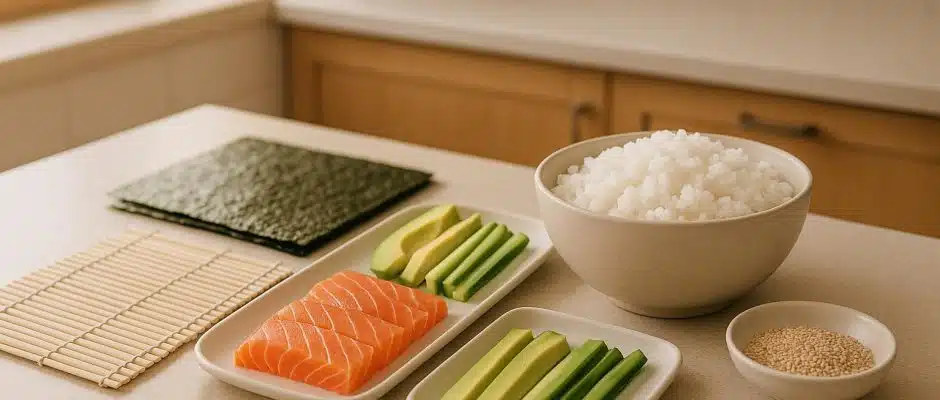
  • Ingredients: Sushi rice, nori sheets, fillings (like avocado, cucumber, crab, or fish), and toppings (sesame seeds, fish roe, etc.).
  • Tools: Bamboo mat wrapped in plastic, sharp knife, rice paddle, and small bowls of water.

Steps to Follow:

  1. Prepare the Rice: Use Japanese short-grain rice, rinse thoroughly, cook, and season with sushi vinegar.
  2. Set Up the Nori and Bamboo Mat: Cut nori sheets to size and wrap your bamboo mat in plastic wrap.
  3. Assemble and Roll: Spread rice on the nori, flip it, add fillings, and roll using the bamboo mat.
  4. Slice and Serve: Use a sharp, wet knife for clean cuts and serve with soy sauce, wasabi, and pickled ginger.

Key Tips:

  • Keep your hands wet to prevent rice from sticking.
  • Avoid overfilling for easier rolling.
  • Use high-quality ingredients for the best flavor and presentation.

With some practice and the right preparation, you can create sushi rolls that look and taste amazing. The process is fun, and experimenting with different fillings and toppings can help you find your favorite combinations.

How To Make Uramaki Sushi (INSIDE-OUT ROLL) with The Sushi Man

Required Ingredients for Inside-Out Rolls

To craft perfect Uramaki, you’ll need the right ingredients to ensure the proper texture, flavor, and structure. Here’s what you’ll need:

Sushi Rice

Japanese short-grain white rice is the gold standard for sushi because of its stickiness and firm texture.

"With a higher moisture content than other varieties, Japanese rice has the slight stickiness and signature firm texture you want for sushi. I strongly discourage using long-grain rice, jasmine rice, brown rice, or other varieties, as your sushi will fall apart." – Namiko Hirasawa Chen, Just One Cookbook

If Japanese rice isn’t available, Korean rice can work as a substitute since it shares similar qualities. For each roll, you’ll need about ¾ cup (110 g) of cooked sushi rice. To prepare it, use a 1:1 water-to-rice ratio, rinse the rice thoroughly, and let it soak for 20–30 minutes before cooking. Once cooked, season the hot rice with sushi vinegar using a slicing motion, then cool it quickly for the best results.

Nori Sheets

Nori, or dried seaweed sheets, forms the inner layer of an inside-out roll. Because the rice covers the outside, you might need to trim the nori sheets to match your desired roll size. Always use fresh, crisp nori to maintain the roll’s structure and avoid sogginess when it contacts the rice.

Fillings and Toppings

Common fillings include avocado, cucumber, crab (or imitation crab), and sushi-grade fish. For toppings, you can use sesame seeds, fish roe, thin slices of fish, crunchy onions, or spicy mayo. Toasted sesame seeds add a nutty flavor, while crunchy toppings balance softer fillings. Popular combinations include smoked salmon with cream cheese or vegan-friendly options like avocado and cucumber. Cutting fillings into thin strips makes them easier to roll, and adding spring onions can provide a refreshing contrast.

Serving Condiments

Pair your rolls with soy sauce, wasabi, and pickled ginger. Soy sauce is available in light and dark varieties, while ponzu can offer a citrusy alternative. For extra heat, some enjoy hot mustard sauce or chili oil. Use wasabi sparingly – it’s potent – and let pickled ginger cleanse your palate between bites. To round out the meal, consider a bowl of warm miso soup or a cup of green tea, which is not only soothing but also known for its antibacterial properties.

Needed Tools and Equipment

Having the right tools on hand is just as important as using top-quality ingredients. The right equipment can turn a frustrating experience with sticky rice into a smooth process that results in professional-looking inside-out rolls. The good news? You don’t need to break the bank – just a few essentials will do the trick.

Bamboo Mat with Plastic Wrap

The bamboo mat, or makisu, is your go-to tool for rolling sushi. If you don’t have one, a clean tea towel can work as a substitute. However, the key to success is wrapping your bamboo mat in plastic wrap. This step keeps your mat clean and prevents rice from sticking in the gaps between the bamboo slats. Plus, the plastic wrap helps lock in moisture, making the nori softer and easier to handle.

To use, cover the bamboo mat with plastic wrap, lay the nori on top, and spread the rice evenly. When rolling, lift the edge of the mat with your thumbs while curving your fingers over the top. Gently press along the length of the roll, pulling the edge toward you for a smooth, continuous motion.

Sharp Knife

A sharp knife is non-negotiable for achieving clean, precise cuts. A dull blade can tear the roll and leave you with uneven slices. Some great knife options include Yanagi knives (ideal for slicing fish), Gyuto knives (perfect for cutting rolls), and Sujihiki knives, which function like carving knives and are easier to maintain than traditional single-bevel Japanese knives.

Before each cut, wet the knife blade to prevent sticking. Use a smooth slicing motion, and clean the blade between cuts with a damp towel or a mix of water and rice vinegar for the best results.

Rice Paddle and Small Bowls of Water

Once you’ve rolled your sushi, handling the rice properly is key to bringing everything together. A rice paddle, or shamoji, is perfect for evenly spreading rice without crushing the grains. Its flat, wide surface applies gentle pressure, and wooden or bamboo paddles are less sticky compared to metal utensils.

Keep a bowl of water nearby to wet your hands as you work. This prevents rice from sticking to your fingers. Dip your hands frequently while spreading the rice and shaping your rolls for a seamless process.

sbb-itb-7b591fe

Step-by-Step Preparation Checklist

Ready to make restaurant-style inside-out rolls at home? With your ingredients and tools in place, follow these steps to turn your kitchen into a sushi-making workshop. Each step builds on the last, so take your time and enjoy the process.

Prepare Sushi Rice

Start with Japanese short-grain white rice for the best texture and flavor. Rinse the rice under cold water until the water runs clear to wash away excess starch. Cook the rice using your preferred method – whether that’s a rice cooker, Instant Pot, or stovetop.

While the rice is still hot, gently fold in a mixture of rice vinegar, sugar, and salt. The heat helps the rice absorb the seasoning more effectively. Next, spread the rice out in a wide bowl to cool it quickly, folding and fanning it as you go. This technique creates that glossy, professional look. Use a slicing motion to mix, avoiding any mashing of the grains. Cover the rice with a damp cloth to keep it moist while you prepare the other components.

Prepare Nori and Bamboo Mat

Take standard nori sheets (about 7 inches × 8 inches) and cut them in half along the longer side, creating pieces roughly 7 inches × 4 inches each.

Wrap your bamboo mat in plastic wrap to prevent sticking and make cleanup a breeze. Place a half-sheet of nori on the plastic-covered mat, with the rough side facing up and the longest edge closest to you. This setup ensures the rice sticks properly when you start assembling.

Assemble and Roll

Before handling the rice, wet your hands with water to prevent it from sticking. Spread about ¾ cup of sushi rice evenly over the nori, creating a thin layer that just covers the sheet. Sprinkle sesame seeds or tobiko over the rice for added texture and flavor.

Carefully flip the nori sheet so the rice faces down, touching the plastic wrap on the bamboo mat. Add your chosen fillings in a straight line across the center of the nori, keeping them about an inch away from the edge closest to you. Using your thumbs, lift the edge of the bamboo mat and roll it over the fillings, applying firm but gentle pressure. Continue rolling while shaping and compressing the roll with the mat.

Slice and Serve

Once your roll is formed, it’s time to slice and serve. Wet a sharp knife with water or a mix of water and rice vinegar to keep the rice from sticking. Use a smooth, sawing motion to cut the roll into neat pieces, cleaning the knife between each cut.

Slice the roll into 6–8 pieces, depending on your preferred size, and arrange them on a serving plate. Serve immediately with soy sauce, wasabi, and pickled ginger on the side. Inside-out rolls are best enjoyed fresh, while the nori retains its texture and the rice is at room temperature. Bon appétit!

Tips for Better Inside-Out Rolls

Perfecting inside-out rolls at home takes some practice, but with the right techniques, you can create rolls that rival those from your favorite sushi spot. These tips tackle common challenges and help you achieve impressive results.

Avoid Overfilling

When it comes to filling inside-out rolls, less is definitely more. Leave about an inch of space around the edges, and cut your fillings into thin, even strips. This ensures a balanced bite every time.

Once you’ve rolled your sushi, wrapping it in cling wrap can make a big difference. It helps tighten the roll and makes slicing much easier. This simple step keeps everything intact and gives you neat, professional-looking pieces.

Use Quality Ingredients

The quality of your ingredients can make or break your rolls. Start with premium sushi rice and season it properly with sushi vinegar. Cook the rice about two hours before assembling your rolls so it has time to cool to room temperature. This step is key for getting the right texture and making the rice easier to handle.

To keep your rice from drying out, cover it with a damp tea towel while you work. As for nori, choose fresh sheets that are crisp and have a deep green color. If the nori feels soft or chewy, it might be too old and could complicate the rolling process.

For the fillings, freshness is non-negotiable. Opt for the best fish and vegetables you can find. If you’re using raw fish, make sure it’s sushi-grade and purchased from a trusted source. High-quality ingredients not only improve the flavor but also ensure food safety.

Practice Rolling Technique

Even with great ingredients, your rolling technique is what brings it all together. Consistent pressure and proper hand placement are key to creating tight, uniform rolls. One of the biggest hurdles for beginners is dealing with sticky rice, but there’s an easy fix.

"Sushi rice sticks to everything including your hands. This can make the rolling process difficult. However, if you keep a small bowl of water nearby and continually moisten your hands, you’ll find the rice doesn’t stick to you." – Shogun Japanese Steakhouse

Keep a bowl of water or a vinegar-water mix nearby to keep your hands and tools from sticking. Apply steady, firm pressure as you roll, and when it’s time to slice, use a sharp knife dipped in water. A smooth, continuous sawing motion works best. Don’t forget to clean the knife frequently to prevent rice buildup, which can tear the nori and lead to uneven pieces.

Conclusion

Making inside-out rolls at home becomes much easier when you follow a well-organized plan. Preparation is everything – having your sushi rice perfectly seasoned and cooled, fresh nori sheets ready to go, and all your fillings prepped ahead of time sets you up for success. Pair that with the right tools, like a plastic-wrapped bamboo mat and a sharp knife, and you’re already on track to create sushi that rivals your favorite restaurant.

The secret to great sushi lies in the ingredients. Fresh nori, expertly seasoned sushi rice, and high-quality fillings make all the difference. Since sushi rice is the foundation of every roll, spending time to perfect your rice-making skills will reward you with better-tasting results every time.

Rolling sushi takes practice, and with each attempt, your technique will improve. Even seasoned sushi chefs have spent years honing their craft, so don’t be discouraged if your first rolls aren’t perfect. Trying out different fillings and toppings not only keeps things exciting but also helps you find your favorite combinations while boosting your confidence in the process.

The key to mastering sushi is consistent practice and a willingness to experiment. For even more guidance, explore the step-by-step tutorials and resources available on Make My Sushi. From basic techniques to advanced rolling methods, their guides cover everything you need, including tips on sourcing sushi-grade fish and choosing the best tools for your kitchen. By reviewing your process after each attempt, you’ll progress faster and enjoy the journey of perfecting your homemade sushi. Whether you’re refining your inside-out rolls or branching out into new styles, these resources will inspire and support your sushi-making adventures.

FAQs

What are the most common mistakes to avoid when making inside-out sushi rolls at home?

When making inside-out rolls (Uramaki) at home, a few common missteps can lead to rolls that don’t quite hit the mark. One frequent issue is overfilling the roll. Adding too much filling makes it tricky to roll tightly and often results in the roll falling apart. The fix? Keep the filling modest and spread it evenly across the nori.

Another challenge comes from improperly handling the nori (seaweed). If it’s too dry, it can crack or fail to stick to the rice. A simple solution is to lightly moisten the edges with water, which helps seal the roll securely. Also, don’t overlook the importance of rinsing your rice thoroughly before cooking. This step removes excess starch, ensuring the rice has the right texture for rolling.

Finally, technique matters. When rolling, apply gentle yet firm pressure – enough to keep everything compact without squashing the ingredients. By focusing on these details and practicing a bit, you’ll soon be crafting inside-out rolls like a pro!

How do I prepare sushi rice with the perfect texture and flavor for inside-out rolls?

To make sushi rice with the perfect texture and flavor for inside-out rolls, start by rinsing the rice under cold water. Keep rinsing until the water runs clear – this step removes extra starch so the rice doesn’t turn overly sticky. For cooking, use the standard ratio of 1 cup of rice to 1 1/4 cups of water to achieve a soft, slightly sticky consistency.

After the rice is cooked, season it while still warm. Mix rice vinegar, sugar, and salt, then gently fold this seasoning into the rice. Be careful not to mash the grains as you mix; the goal is to coat the rice evenly. Allow the rice to cool to room temperature before using it. Properly prepared sushi rice should hold together easily without being mushy, making it just right for rolling inside-out sushi.

What are some creative fillings and toppings I can use for inside-out rolls at home?

If you’re ready to experiment with your inside-out rolls, there are so many tasty filling and topping ideas to explore! Classic fillings include avocado, cucumber, cream cheese, smoked salmon, shrimp, and thin slices of raw fish like salmon or tuna. Want to mix it up? Try adding mango for a touch of sweetness or a drizzle of spicy mayo or sriracha for a kick of heat.

To take your rolls to the next level, consider toppings like sesame seeds, fish roe (such as tobiko or ikura), jalapeño slices, radish, cilantro, or a sprinkle of furikake for extra flavor and crunch. Play around with different combinations to discover your new go-to roll!

Related posts

How to Tell if Sushi Fish Is Fresh

How to Tell if Sushi Fish Is Fresh

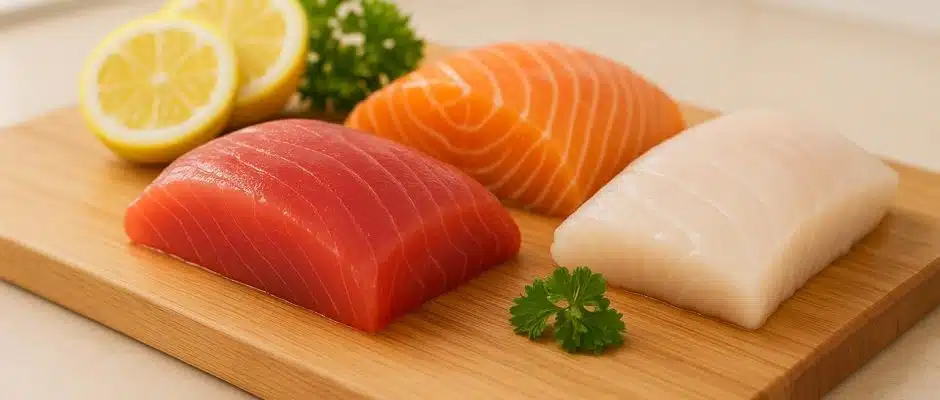
Here’s how to quickly determine if sushi fish is fresh enough to eat:

  • Smell: Fresh fish smells like the ocean – clean and mild. Avoid fish with strong, sour, or ammonia-like odors.
  • Appearance: Look for vibrant colors and a glossy surface. Tuna should be deep red, and white fish should appear translucent. Avoid dull, cloudy, or discolored fish.
  • Texture: Fresh fish feels firm, smooth, and slightly bouncy. If it’s slimy, sticky, or mushy, it’s not fresh.

To ensure safety, store fish below 40°F, freeze it to FDA-recommended temperatures to kill parasites, and use clean tools during preparation. Always buy from reputable suppliers and inspect fish before use.

Freshness is key to great sushi – use your senses and proper handling to enjoy it safely at home.

How to Pick Fish | Sushi Lessons

How to Use Your Senses to Check Fish Quality

When it comes to choosing sushi-grade fish, your senses are your most trustworthy guide. Fresh fish reveals its quality through its smell, appearance, and texture. By honing these sensory skills, you can confidently identify fish that’s fresh enough for sushi.

The Smell Test

Fresh sushi fish should remind you of the ocean – a clean and mild sea scent, like the refreshing breeze of salty air by the shore. This subtle aroma often has an appetizing quality. On the other hand, if the fish has a strong, sour, or unpleasant odor, it’s a clear sign that it’s no longer fresh.

"Fresh sushi should have a mild, fresh sea air odor that will make your mouth water. If you notice a strong, unpleasant, or sour smell, it’s a clear indication that the sushi is no longer fresh and it’s time to say goodbye."

Stay away from fish that smells metallic, sour, or even like ammonia – these are red flags. A good sushi restaurant will never have a heavy fishy smell lingering in the air. Also, if your sushi is served very cold, let it sit for a minute or two at room temperature. If an unpleasant odor develops as it warms up, it’s best to avoid eating it.

Visual Inspection

Your eyes can tell you a lot about the quality of fish. Sushi-grade fish generally has vibrant colors and a glossy, almost reflective surface. As Paul Johnson, owner of Monterey Fish Market, explains:

"Looking for a fresh fish is akin to looking for a fresh tomato: vibrant colors, firm and bouncy texture, and a lovely reflection are the indicators of freshness – just like with fish."

  • Paul Johnson, Owner, Monterey Fish Market

For tuna, look for a deep, clear red color. If the red appears muddy or dull, it’s likely past its prime. White fish should have a translucent, almost glowing quality, not a cloudy or dull appearance. If you’re examining a whole fish, check the gills – they should be bright red. Over time, gills darken, and the fish’s eyes may become cloudy or sunken, which are signs of aging.

Texture Assessment

Touch is another reliable way to judge freshness. Fresh sushi fish should feel smooth and slightly firm, with no slimy or overly soft spots. When you press it lightly, the flesh should spring back quickly, leaving no lasting indentation. This elasticity comes from the high water content in fresh fish cells. As fish ages and dries out, the flesh becomes softer and loses its bounce. Avoid fish that feels sticky, slimy, or breaks apart easily – these are clear indicators that it’s no longer at its best.

How Proper Storage Maintains Fish Quality

Once you’ve selected fresh sushi-grade fish, how you store it plays a huge role in preserving its flavor and ensuring it’s safe to eat. Proper storage not only keeps your fish tasting fresh but also helps avoid potential health risks.

Temperature Control

When it comes to seafood storage, the number one rule is simple: keep it cold. Fish should be stored below 40°F (4°C) to maintain its quality. For specific types, tuna and salmon thrive between 32°F and 38°F (0°C–3°C), while shellfish prefer slightly cooler conditions, around 32°F–35°F (0°C–2°C). More delicate options, like mackerel and sardines, demand ultra-low temperatures – below –76°F (–60°C) for short periods – to retain their quality.

Always transport fish on ice and refrigerate or freeze it as soon as possible. When it’s time to thaw, do so in the refrigerator to prevent the fish from entering the “temperature danger zone,” which is anything above 40°F (4°C).

Failing to store fish properly can lead to bacterial contamination, including harmful strains like Salmonella, E. coli, and Listeria. It also heightens the risk of histamine poisoning. For instance, a 2012 Salmonella outbreak linked to sushi sickened 425 people across 28 states and Washington, D.C.. Even under proper refrigeration, sushi-grade fish doesn’t last long – it’s best consumed within two days. The FDA also warns against leaving leftovers at room temperature for more than two hours. Keeping fish consistently cold is crucial for reducing parasite risks as well.

Freezing for Parasite Safety

Freezing isn’t just about preserving fish – it’s also a key safety measure for raw consumption. The FDA has strict guidelines to eliminate parasites from sushi-grade fish. Fish intended for raw dishes must be frozen using one of the following methods:

Freezing MethodTemperatureDuration
Standard freezing–4°F (–20°C) or below7 days total
Flash freezing method 1–31°F (–35°C) until solidMaintain at –31°F (–35°C) for 15 hours
Flash freezing method 2–31°F (–35°C) until solidMaintain at –4°F (–20°C) for 24 hours

Most home freezers only reach 0°F (–18°C), which isn’t cold enough to meet FDA parasite elimination standards. Because of this, many people prefer fish like tuna or farmed salmon, which are generally considered lower-risk for parasites.

To keep things safe during preparation, always ensure your fish stays cold, and use clean tools and surfaces to avoid contamination.

sbb-itb-7b591fe

How to Source High-Quality Sushi-Grade Fish

Once you’ve nailed proper storage and safety measures, the next step is finding fish that meets high standards for sushi preparation. Keep in mind that the term "sushi-grade" is largely a marketing phrase, so it’s essential to dig deeper when assessing quality.

"It’s a marketing term that has little significance [with respect] to actually being able to consume raw fish." – Davis Herron, director of the retail and restaurant division at The Lobster Place

In other words, it’s on you to confirm the quality of the fish, regardless of how it’s labeled. Coupled with safe storage, sourcing high-quality fish is key to creating exceptional sushi.

Choosing Reputable Suppliers

Start by asking local sushi restaurants about their fish suppliers. These businesses depend on high-quality fish and often work with suppliers who understand the unique demands of raw fish preparation.

If possible, visit the supplier in person. Look for clean facilities, proper ice storage, and clear separation of fish types. The staff should be well-informed about their products and able to answer questions about sourcing and handling. Key questions to ask include:

  • How do they define "sushi-grade fish"?
  • How long has the fish been in their shop?

Make sure the supplier complies with local safety regulations and follows proper freezing practices. You can also check reviews or talk to other customers who buy fish for raw consumption to gauge the supplier’s reliability.

Wild-Caught vs. Farmed Fish

Your choice between wild-caught and farmed fish can influence both the flavor and safety of your sushi. Wild-caught fish, known for richer flavors and firmer textures, are often preferred by sushi enthusiasts. However, some wild fish – like salmon – carry a higher risk of parasites.

Farmed salmon, on the other hand, are raised in controlled environments with parasite-free feed, reducing this risk significantly. They can be a safer choice for home sushi-making. Nutritionally, wild fish typically have less saturated fat, but farmed fish raised on high-quality, marine-based feed may offer higher levels of omega-3 fatty acids. For example, a 2018 study found that farmed salmon fed premium diets had significantly more EPA and DHA compared to their wild counterparts.

Cost and availability often come into play as well. Wild-caught fish are generally pricier due to the labor-intensive methods used to catch them, but many sushi lovers believe the enhanced flavor and texture are worth the extra cost. Farmed fish, by contrast, tend to be more affordable and consistently available, with the added benefit of lower parasite risks.

Regardless of your choice, always ask your supplier about the fish’s origin and handling. For wild-caught fish, inquire about where and how it was caught. For farmed fish, ask about feed quality and farming conditions to ensure both safety and nutritional value. Once you’ve secured quality fish, proper handling techniques will help you craft sushi that stands out.

For more tips and in-depth guides on sourcing sushi-grade fish, check out Make My Sushi.

Best Practices for Making Sushi at Home

Even the freshest sushi-grade fish can pose health risks if mishandled. By following key safety practices, you can enjoy restaurant-quality sushi in the comfort of your home while minimizing any potential hazards.

Proper Handling and Storage

Maintaining the right temperature is crucial to prevent bacterial growth. Always keep your fish below 42°F throughout the entire preparation process. Work with small portions at a time, keeping the rest refrigerated until needed.

When transporting fish, use ice to keep it cold, and refrigerate or freeze it as soon as you arrive home. If you need to thaw frozen fish, do so safely by leaving it in the refrigerator overnight or by submerging the sealed package in cool water, changing the water every 30 minutes. Avoid thawing fish at room temperature, as this increases the risk of contamination.

Cleanliness is equally important. Sanitize your work surfaces and tools with a bleach solution (1 tablespoon bleach per gallon of water) both before and after handling raw fish. These steps ensure a safe environment for preparing sushi.

Inspect Fish Before Use

Before you start preparing sushi, take a moment to inspect the fish. Your senses are your best tools for judging freshness. Fresh fish should have a clean, ocean-like smell – anything overly fishy or unpleasant is a red flag.

Pay attention to the color and texture as well. Look for bright, vibrant colors like rich red for tuna or deep orange for salmon. Dull or discolored fish may indicate spoilage. The texture should feel smooth and slightly firm, not slimy or mushy. These checks can help you catch potential quality issues that might not be obvious at first glance.

Paul Johnson, owner of Monterey Fish Market, highlights the importance of building a rapport with your fish supplier:

"Trust your fishmonger, just like you trust the sushi chef at a sushi restaurant. When you buy fish, you should do the same. Develop a relationship with a fishmonger at a small market and ask many questions about what’s good. When you find something good, tell them the next time you visit."

Once you’ve completed your inspection, follow strict food safety steps to ensure a safe preparation process.

Follow Food Safety Guidelines

Freezing raw fish is a key step to eliminate parasites. Freeze your fish at -4°F for 7 days or -31°F for 15 hours before consumption. However, some tuna species – like Albacore, Yellowfin ahi, Blackfin, Bluefin, Bigeye, and Bluefin northern – are exceptions and don’t require freezing before being eaten raw.

Dr. Judy Sakanari, a parasitologist at the University of California, San Francisco, reminds home cooks of their responsibility:

"It depends on how much you love the dish. There are always risks to eating anything raw and improperly prepared or washed, so it is incumbent upon consumers to be aware of the risks and how to prevent the infections."

Good hygiene is non-negotiable. Wash your hands thoroughly before and after handling raw fish. If you’re feeling unwell, skip making sushi altogether. Always keep raw fish separate from ready-to-eat foods to avoid cross-contamination. If you’re using a bamboo rolling mat, line it with food-grade plastic wrap, and replace the wrap every two hours or after it has come into contact with raw fish.

Prepared sushi should be refrigerated immediately and never left at room temperature for more than two hours. If the weather is warm, this window shortens, so plan accordingly.

Lastly, certain groups – like pregnant women, young children, the elderly, and individuals with weakened immune systems – should avoid homemade sushi with raw fish. Instead, consider making cooked sushi, which offers a safer option without compromising on flavor.

For step-by-step guides and additional tips, check out Make My Sushi to refine your sushi-making skills while prioritizing safety.

Conclusion: Quality Fish as the Foundation of Great Sushi

The secret to exceptional sushi lies in using fresh, high-quality fish. Not only does it enhance the taste with its clean, ocean-like flavor and tender texture, but it also provides essential nutrients like omega-3 fatty acids, vitamins, and minerals. Plus, paying close attention to quality helps reduce the risk of foodborne illnesses.

But freshness isn’t just about how recently the fish was caught. Proper storage and careful handling throughout the supply chain play a huge role in maintaining its quality. This dedication to excellence ties together every aspect of sushi-making.

Every detail matters – from choosing the right fish to ensuring it’s stored correctly. By focusing on quality at every step, you can create sushi that’s not only authentic but also incredibly satisfying. Using the best ingredients and mastering your technique can transform your kitchen into a space for crafting restaurant-worthy sushi.

Prioritizing top-notch ingredients isn’t just about taste – it’s about creating a sushi experience that’s both enjoyable and safe.

FAQs

How can I tell if sushi fish is unsafe to eat, even if it looks fresh?

Even if sushi-grade fish looks fresh, there are several warning signs to watch out for that could indicate it’s unsafe to eat. Start with the smell – a strong, sour, or off-putting odor is often a red flag for spoilage. Next, check the texture – if the fish feels slimy, sticky, or unusually soft, it may point to bacterial growth. Take a good look at the color – fresh sushi fish should have bright, natural tones. Steer clear of fish with dull, faded, or discolored patches.

Fresh fish should also feel firm and bounce back when you press it lightly. However, even when these signs aren’t obvious, improper storage or handling can allow harmful bacteria or parasites to thrive. Always focus on high-quality fish and safe food preparation to make sure your sushi is both delicious and safe to eat.

How can I make sure the fish I buy is safe and fresh for sushi?

To make sure your fish is safe for sushi, always opt for sushi-grade fish from reliable suppliers. This type of fish is specially handled and frozen according to FDA standards, which involve freezing at -4°F for at least 7 days or at -31°F until solid, followed by storage at -4°F for 24 hours. These steps are crucial for eliminating harmful parasites.

Pay attention to freshness indicators: look for fish with a bright, vibrant color, a firm texture that springs back when touched, and a clean, ocean-like scent. Steer clear of fish that appears dull, has mushy flesh, or carries a strong, fishy smell.

If you’re unsure, don’t hesitate to ask your supplier about the fish’s handling and freezing process to confirm it’s safe for raw consumption.

How should I store sushi fish to keep it fresh and safe to eat?

To keep sushi-grade fish fresh and safe, proper storage is essential. Start by refrigerating it immediately at a temperature between 32°F and 38°F to maintain its quality. If you’re not planning to use the fish within a day, freeze it at -4°F or lower for at least 7 days. This helps eliminate parasites while preserving the fish.

When storing, wrap the fish securely in plastic wrap or aluminum foil to reduce air exposure and prevent it from drying out. For raw fish, aim to consume it within 1–2 days of refrigeration. Also, be mindful to keep sushi fish out of the temperature danger zone (40°F to 140°F), where bacteria can quickly multiply. By following these guidelines, you’ll keep your sushi fish fresh, safe, and ready to enjoy.

Related posts